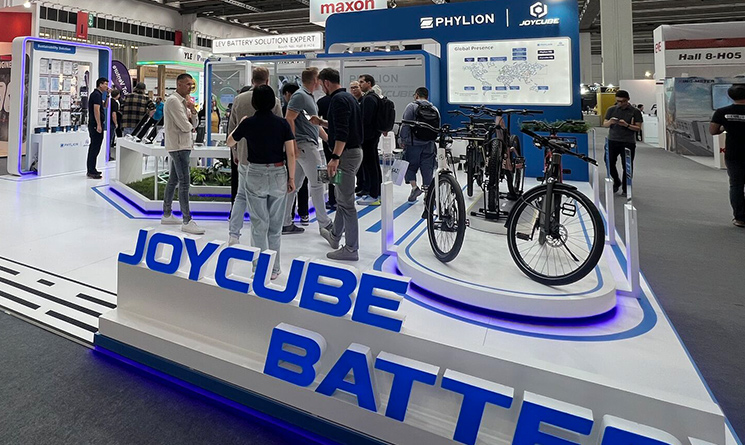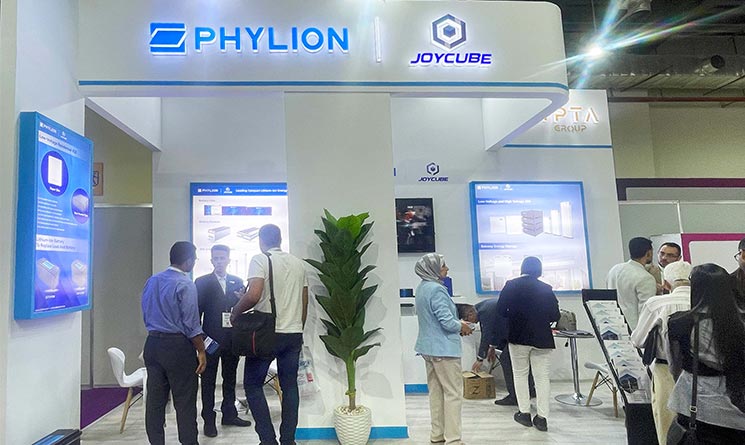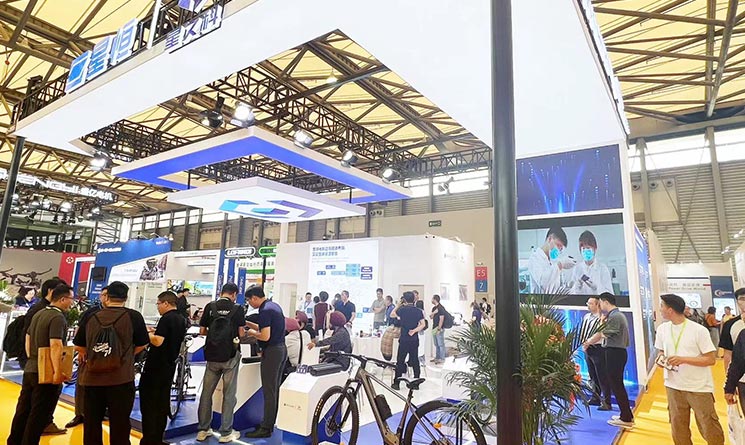

The Battery Passport, a core component of the Battery Regulation (EU) 2023/1542 (Chapter IX), will take effect on February 18, 2027. Compliance with this requirement will become a key criterion for entering the European market. As a Phylion company focused on overseas markets, Joycube responded proactively and launched the first LMT battery passport this month, setting a new industry benchmark for regulatory compliance in Europe.
In response to Regulation (EU) 2023/1542’s stringent requirements for data collection, verification, and interaction, Phylion and Joycube quickly mobilized internal resources and partnered with Nanjing Fuchuang to launch the battery passport project. We completed the development of core modules, including product carbon footprint reporting, battery passport issuance, and production-line labeling, ensuring that every battery exported to Europe will carry a compliant “ID card” and demonstrating a shift from “passive adaptation” to “active leadership” in the industry.
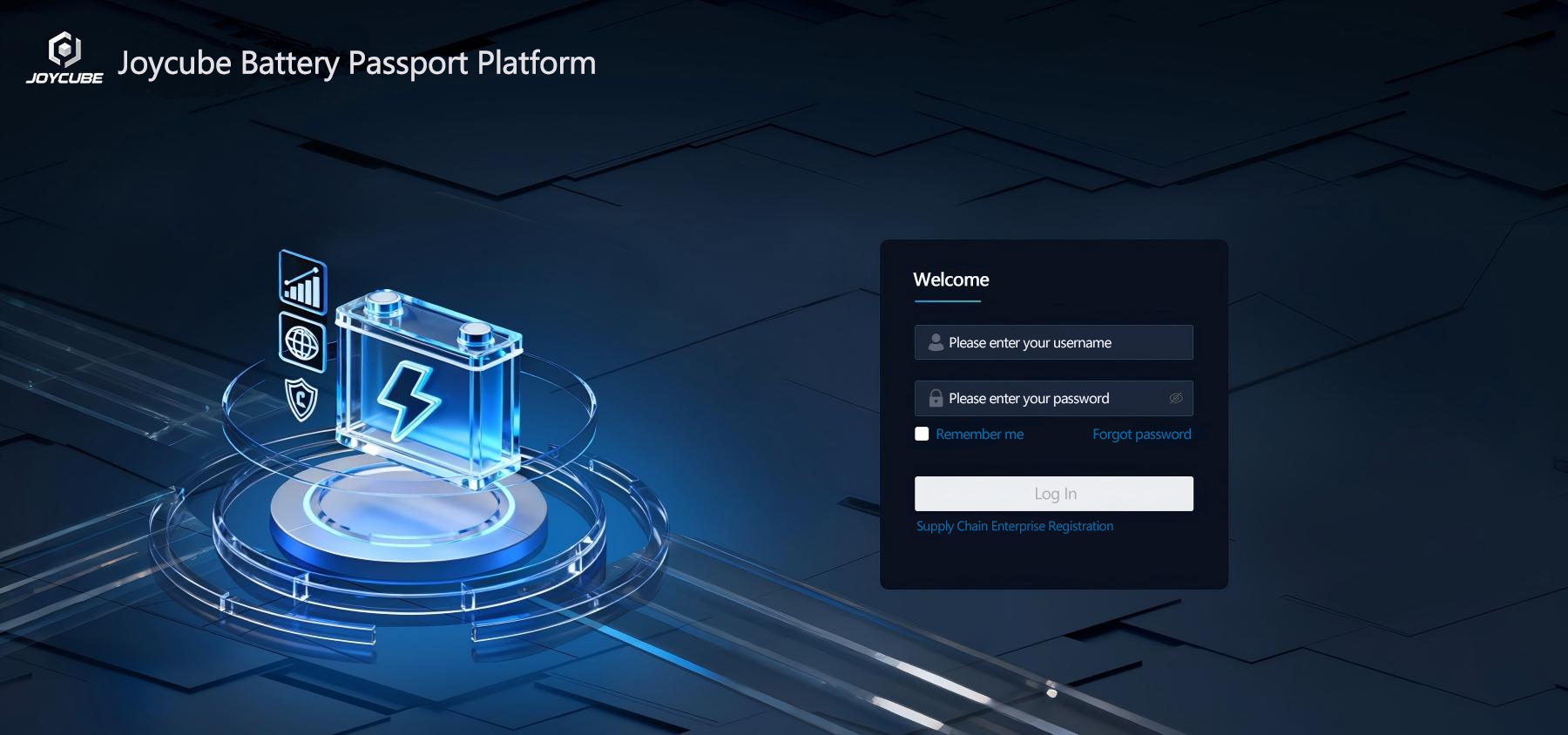
The Battery Passport solution from Phylion and Joycube continuously collects, maintains, and securely discloses over 150 key data points required by the Battery Regulation (EU) 2023/1542, ensuring accuracy, traceability, and compliance. The platform also establishes a complete carbon footprint management capability, covering modeling, calculation, and reporting, extending to the supply chain level to provide stable data support for passport generation.
Building on this foundation, Joycube has expanded the solution to value-chain traceability. By integrating ESG requirements, the platform enables comprehensive tracking, visualization, and verification of carbon footprint and critical ESG data throughout the supply chain. This provides reliable support for transparent, verifiable, and compliant battery lifecycle disclosure.
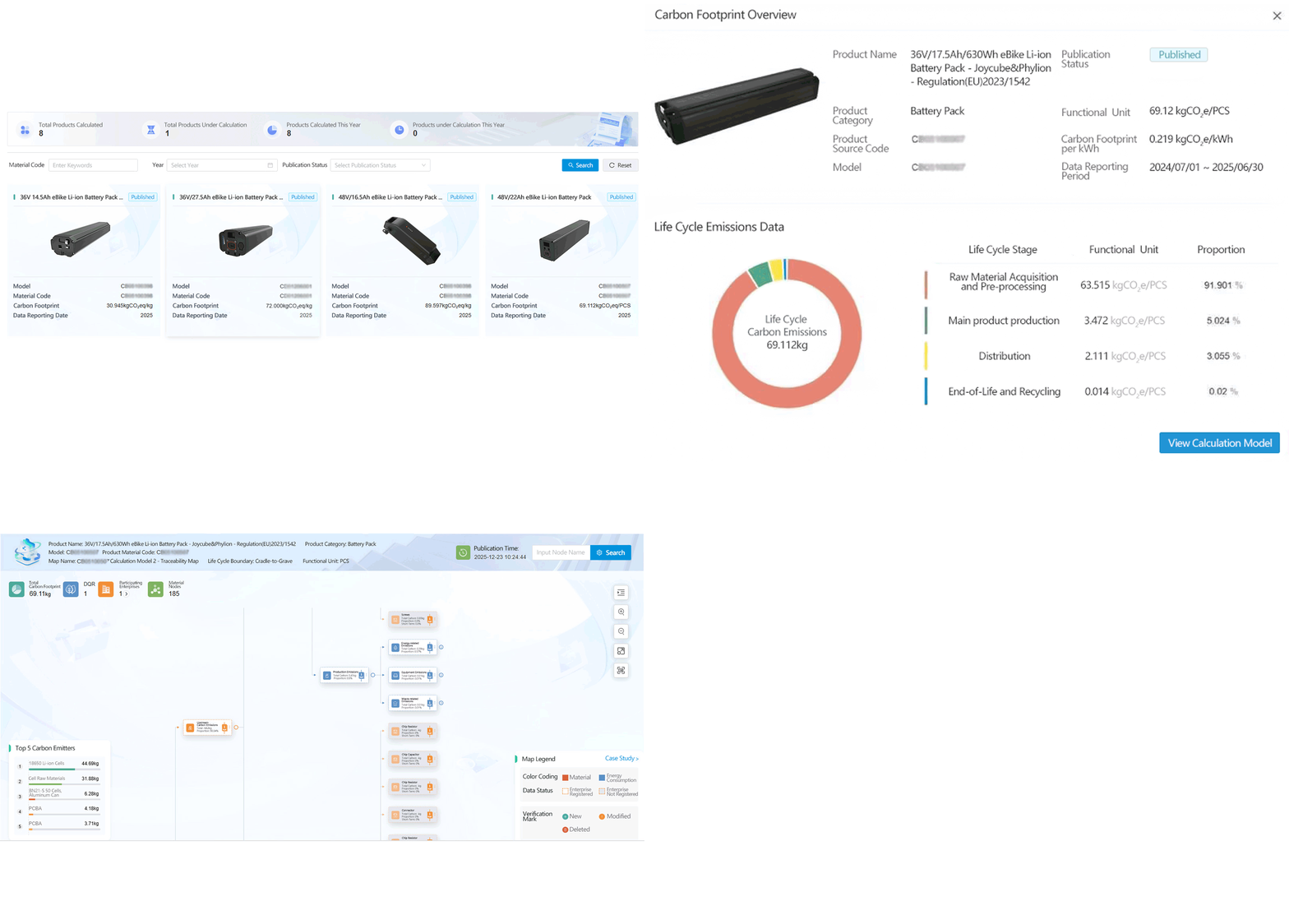
The Battery Passport platform, built on an industrial-grade blockchain architecture, integrates Phylion and Joycube’s internal IT systems for supply chain, manufacturing, and sales orders, and will eventually enable interactive data connections with batteries already in the market. The LMT battery passport solution can be applied to all Phylion and Joycube products in parallel, enabling standardized management of lifecycle data tracking, carbon footprint management, and key information verification, providing reliable data support for every battery while enhancing digital management and transparency across global operations.
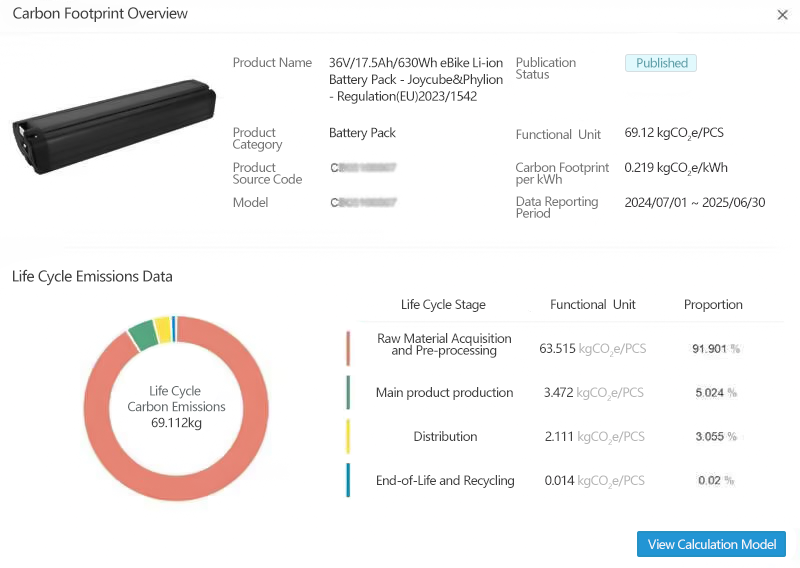
The successful launch of the first LMT Battery Passport marks not only a key milestone but also demonstrates Joycube’s leading strengths in regulatory compliance, digital management capabilities, and project execution within the European market. Looking ahead, Joycube will continue to advance regulatory development and deepen its technological and systemic layout. With higher standards and greater resilience, we will empower global users to achieve safe, transparent, low-carbon, and sustainable green mobility.

Click "Discover" on wechat and scan
Qr code can share this article to the moments.